WELCOME TO CITY GUESTHOUSE & TOURS

WELCOME TO CITY GUESTHOUSE & TOURS
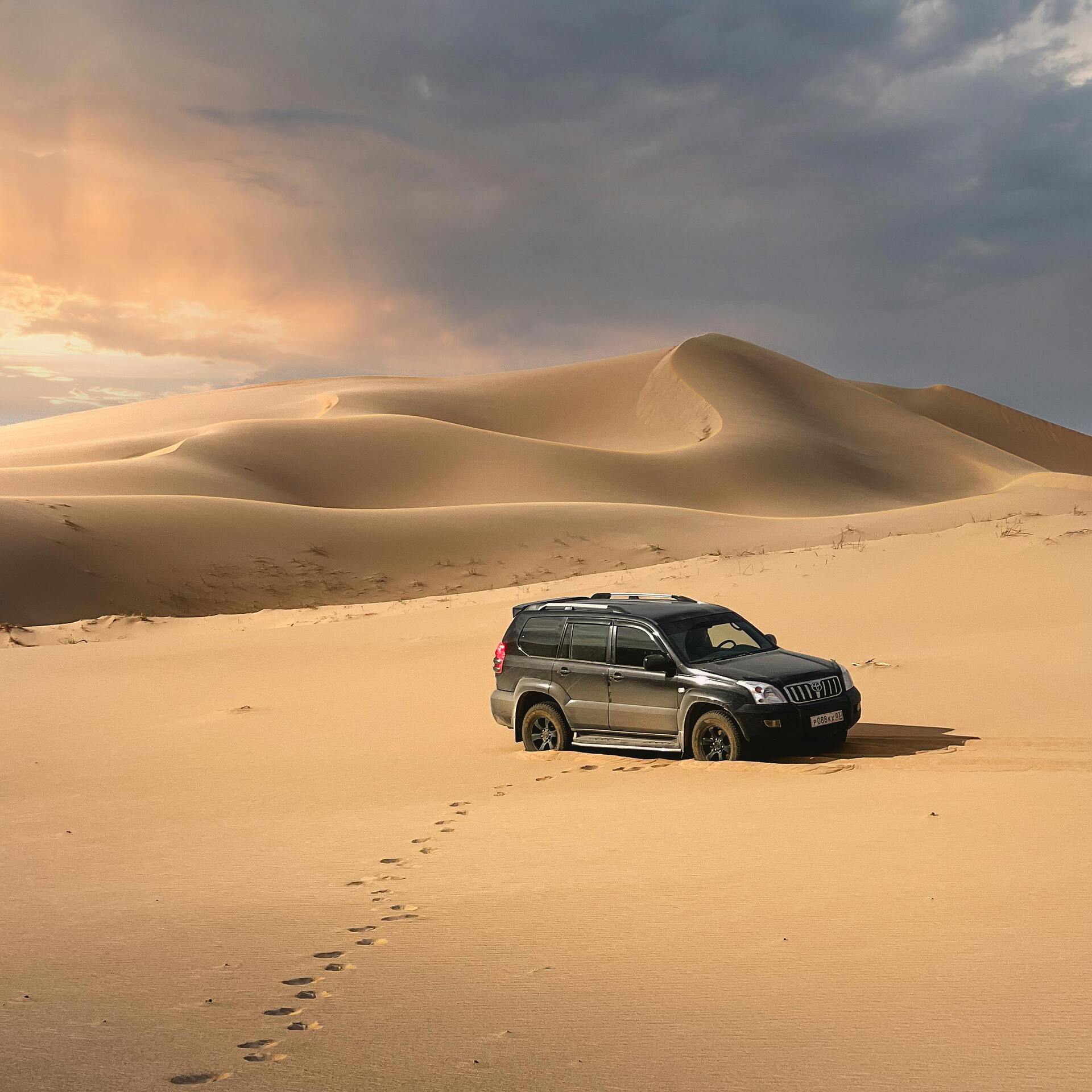
Experience the ultimate Mongolian adventure on this 14-day journey to Khermen Tsav Canyon and the remote southern regions of Mongolia. Explore vast deserts, dramatic canyons, and unique rock formations, with opportunities for camel riding, hiking, and wildlife spotting. Connect with nomadic families, experience traditional ger life, and immerse yourself in Mongolia’s rich culture and history. This extended tour offers a relaxed pace to fully enjoy the country’s stunning landscapes, secluded natural beauty, and authentic nomadic lifestyle.
Day 1. Travel to Baga Gazriin Chuluu
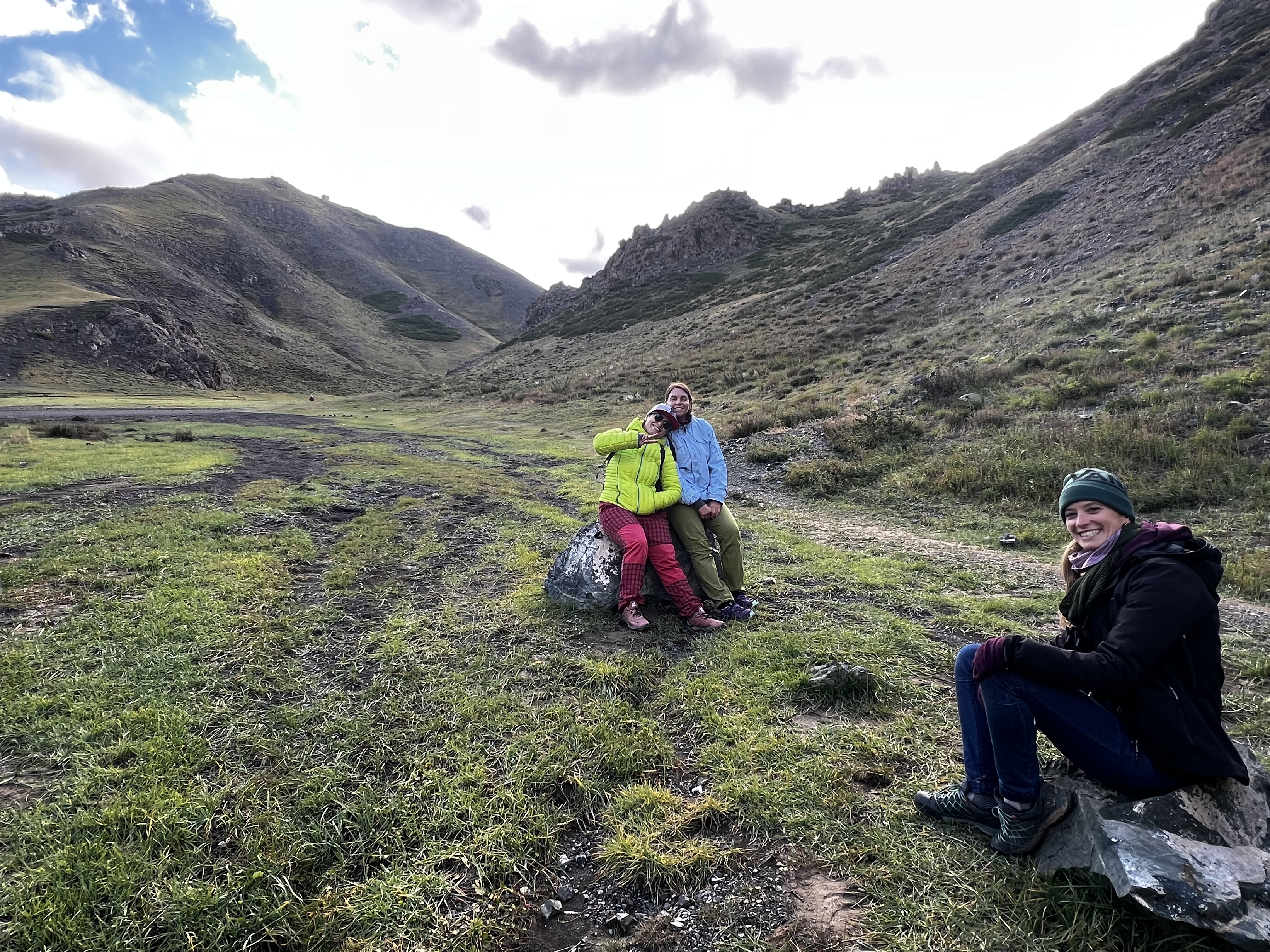
Baga Gazriin Chuluu is located at Mongolian granite rock zone in the Dund Gobi province. Chuluu means stone .Baga Gazriin Chuluu, is a 15km long and 10 km wide stone massif, and it is located 30 km far from south east of Adaatsag soum. This stone massif is also part of the Mongolian granite stone zone. The highest point is Tahilgat Mountain /1758 m/ in the Northwest part of the stone massif.This place is popular at inhabiting the wild sheep, ibex and marmots. Surtiin am is one of many beautiful places in Baga Gazriin Chuluu. This is a narrow canyon with asp, birch, white whicker and elm tree, as well the ruin of a stone temple and the site of 2 yurts where monks lived and meditated since the seventieth century. There is a 20 m long cave near to the Surtiin Am. Crystals can be found around the cave. Life size paintings of deer are painted on a granite stone and another yurt shaped stone called Ger chuluu. According to scientists, 64 tombs and tumuli dated back to Khugnu tribe have been found around Baga Gagriin Chuluu .Also, there is a spring water which comes from under source is good for eye illness. Stay overnight in a Ger of nomad family. /Lunch, Dinner/
Day 2. Travel to Tsagaan Suvarga
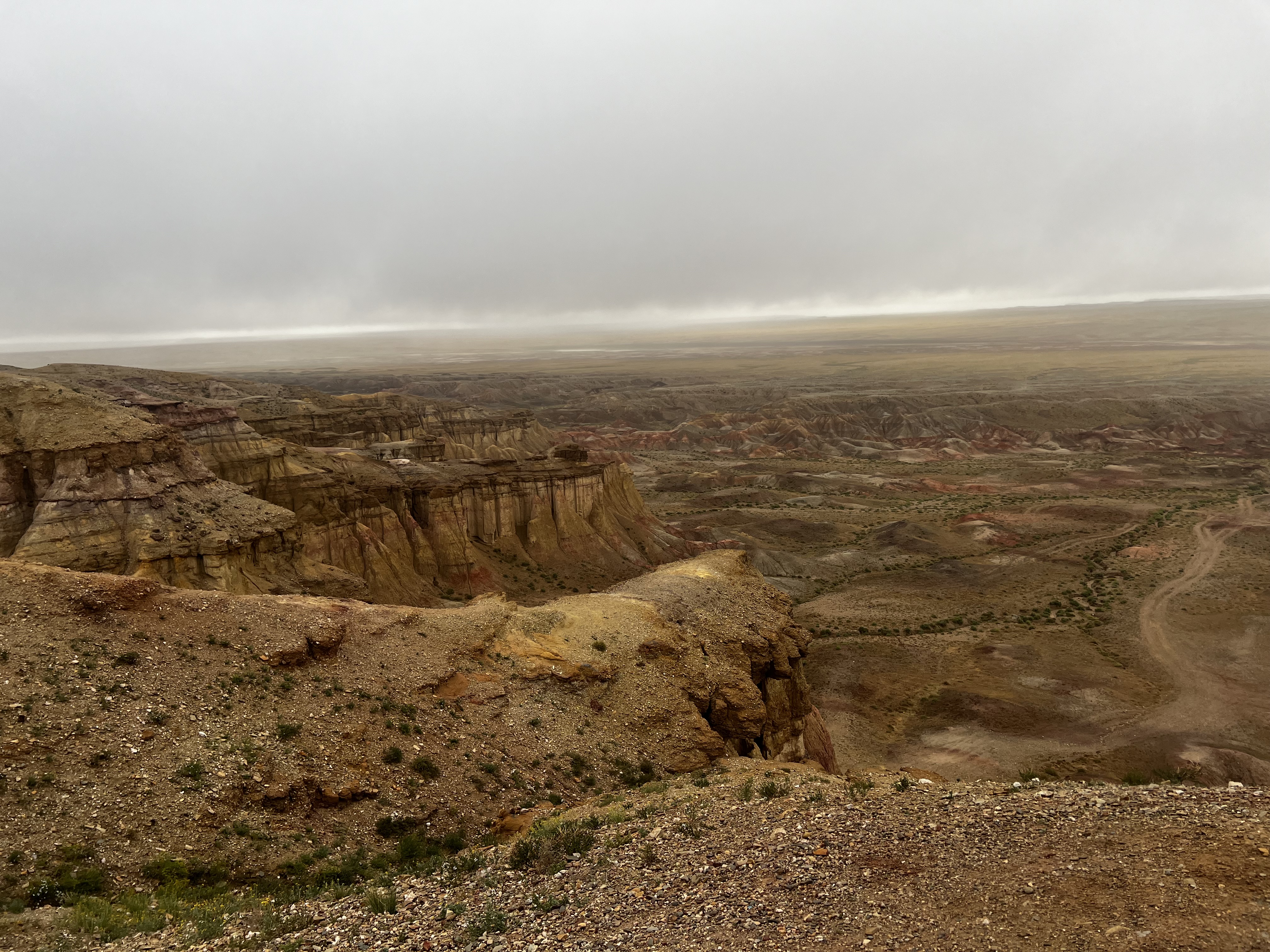
Continue to travel to Tsagaan Suvraga, is located in the Dund Gobi province. It’s 90 degree of straight, consists of many colors of clay deposits. In ancient times, there was a big sea in Khevtee and Bosoo valleys of Tsagaan Suvarga. After dried up the sea, this area became a valley with many glacis and escarpments, covered by many different sedimentary deposits. Tsagaan Suvarga is a big escarpment with 200m height and 400m long. This place has been protected since early times by local nomads . Stay over night in a Ger of nomad family. /Breakfast, Lunch, Dinner/
Day 3. Travel to Yol valley
Travel to Yol valley is situated in east north part of Zuun Saikhan Mountain. Yol valley is one of the natural wonder of Gobi Gurvan Saikhan National Park and beautiful deep canyon with many rocky cliffs, has been created by many years of water erosion. The Yoliin Am, a protected site in 1965, is 62 km north west of Dalanzadgad. Very wide at the entrance, it narrows gradually into a remarkable gorge. A spring 2 or 3 km long winds its way through the defile and in July, freezing into a thick corridor of ice that stretches along a considerable distance. In earlier times, the blocks of ice rarely melted, being protected from the vicious sunlight. This, however has changed in recent years, partially because of the multitudes of tourists that walk on the ice. You can still see ice here in July but it is almost completely melted by August. Following the canyon to the very end, one emerges into a beautiful wide valley. Surrounding mountains are home to argali, ibex, and many birds of prey, as well as numerous small rodents particular to the Gobi. A small museum marks the entrance to the protected zone and provides information on the petrified trees, fauna and flora of the Gobi. Stay overnight in a Ger of nomad family. /Breakfast, Lunch, Dinner/
Day 4. Travel to Khongoriin Els sand dunes
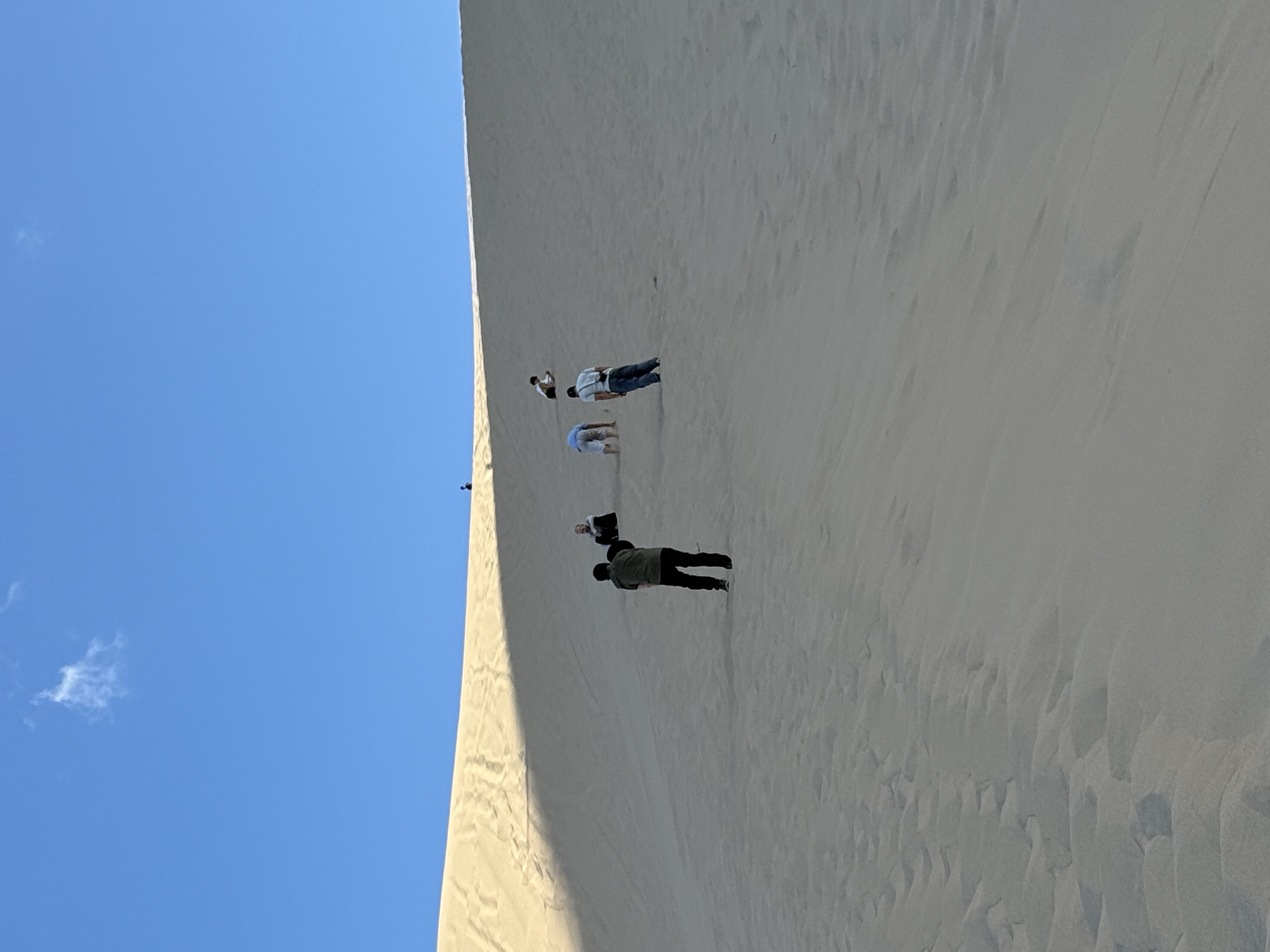
Travel to Khongoriin Els sand dunes. Khongoriin Els sand dunes are some of the largest and most impressive sand dunes in Mongolia. Also known as the DuutMankhan( singing dunes ). Hongoriin Els stretch for more than 180 km with majestic heights of 15-30 m. The largest dunes are north west of the range. You can climb to the top of the sand dunes and slide down : simultaneously the dune begins to make an amazing sound : similar to singing. From the top of the sand dunes the view of the desert is amazing. Stay overnight in a Ger of nomad family. /Breakfast, Lunch, Dinner/
Day 5. Stay in a nomad family and camel riding
This day you will get opportunity to ride camel through the sand dunes. Stay overnight in a Ger of nomad family. /Breakfast, Lunch, Dinner/
Day 6. Altan Uul mountain
We will drive to Gurvantes village and sleep near mount “Altan uul”. Stay overnight in a Ger of nomad family. /Breakfast, Lunch, Dinner/
Day 7, 8. Khermen Tsav
This place is more commonly known as the “Flaming Cliffs” of Khermen Tsav. A canyon made from thousands of years of erosion of red sand and which stretches for about 10km in the Gobi Desert. The area has desert plants and trees and offers very striking hiking opportunities. Upon arrival we will make camping out near the edge of the canyon’s mouth. Stay overnight in a Ger of nomad family. /Breakfast, Lunch, Dinner/
Day 9. White cave
Tsagaan Agui cave is in Tsakhir Mountain in Bayanlig sum of Bayankhongor province. This crystal cave is 40 meters long and is famous in the world by its beauty and trace of ancient people whom were living in that area. Stay overnight in a Ger of nomad family. /Breakfast, Lunch, Dinner/
Day 10. Arvaikheer province
We will drive to Arvaikheer/center of Uvurkhangai province/ and stay overnight in hostel. /Breakfast, Lunch, Dinner/
Day 11. Travel to Orkhon waterfall (Ulaan tsutgalan)
Travel to Orkhon waterfall. Orkhon waterfall ( Ulaan tsutgalan), is over 25 m high Ulaantsutgalan is the biggest waterfall in Mongolia and one of the most attractive destination in Orkhon river valley, UNISCO World heritage site The waterfall is located on the Orkhon River in Bat-Ulzii, Uvurkhangai province. Its width is about 10 m. The surrounding areas of the waterfall was formed by volcanic activities dated back approximately 20,000 years. When a smaller river named Ulaan (meaning Red) flows into Orkhon river the water drops over the edge with height over 25 and makes the waterfall. That is why, locals called it Ulaan tsutgalan which meaning Red's Flows. Stay overnight in a Ger of nomad family. /Breakfast, Lunch, Dinner/
Day 12. Visit waterfall and horse riding
Today you will ride Mongolian horses and do some warm up ride through wide open steppe. Stay overnight in a Ger of nomad family. /Breakfast, Lunch, Dinner/
Day 13. Travel to Kharakhorum
Visit Erdene Zuu monastery and Kharakhorum museum which was established in 2011. Kharakhorum is one of the most important attractions of Mongolia. The town is located about 370 km in the west of Ulaanbaatar, at the river Orkhon. The Kharakhorum was founded in 1220 by Genghis Khan and had been the capital of the Mongolian empire for 32 years. Erdene Zuu monastery is the most ancient Buddhist monastery inthe Mongolia. It is located in the Uvurkhangai Province. It is part of the World Heritage Site entitled Orkhon Valley Cultural Landscape. The monastery was built in 1585 by Abtai Sain Khan, upon the introduction of Buddhism into Mongolia as the state religion. Stones and ruins of the Kharakhorum had been used to the construction. It is surrounded by a wall featuring 108 stupas, 108 being a sacred number in Buddhism, and the number of beads in a Buddhist rosary. The monastery was damaged by warfare in the 1680s, but it was rebuilt in the 18th century. Stay overnight in a Ger of nomadic family./Breakfast, Lunch, Dinner/
Day 14. Ulaanbaatar
Drive back to Ulaanbaatar /Breakfast, Lunch/
Tour included
●Experienced guide service /English speaking/
●Experienced driver service
●Entrance fee for protected natural area
●Sightseeing costs
●Stay in a Ger of nomadic family /12nights/
●Stay in hostel /1night/
●Transportation
●Fee for horse and camel riding
●Petrol
●Drinking water
●Food /Breakfast, Lunch, Dinner/
Tour excluded:
●Alchohol drinks
●Personal toiletries
●Tips for the driver & guide
●Travel insurance